Description
Knee replacement surgery has evolved significantly, offering surgeons multiple approaches including standard implants, robotic-assisted techniques, and patient-specific custom implants. Each method has its own advantages depending on factors such as patient anatomy, surgeon expertise, precision requirements, and long-term functional outcomes. Robotic-assisted surgery aims to enhance implant positioning and alignment, while custom-made implants are designed to match the individual patient’s anatomy more closely. However, clinical decision-making must balance technology, cost, surgical experience, and patient expectations. Understanding when and for whom each option is most appropriate is crucial for optimizing outcomes in modern knee arthroplasty.
Summary Listen
- The speaker, a knee specialist, declares no financial conflicts of interest with orthopedic companies and believes surgeons should avoid such conflicts to maintain objectivity. He defines knee osteoarthritis as cartilage deterioration leading to bone-on-bone contact, resulting in pain, stiffness, and reduced function. While radiographic evidence of knee arthritis is common, particularly in older adults, it doesn't always necessitate knee replacement.
- Knee replacement surgery is characterized as a major, invasive procedure involving bone shaving and prosthesis cementing. It requires significant recovery time, carries risks like infection, neurovascular damage, blood clots, and potential failure, and may not guarantee satisfaction for all patients. The UK National Joint Registry data shows that while knee replacements can last beyond ten years for most patients, younger patients face a higher revision rate due to increased activity and longer lifespans.
- Custom-made knee replacements are presented as an alternative where the prosthesis is designed to match the unique size and shape of the patient's knee based on a CT scan. This approach potentially offers a better fit and more natural movement compared to standard, off-the-shelf implants. A study suggests a significantly higher patient satisfaction rate with custom-made knees compared to standard knees.
- The speaker critiques the promotion of robot-assisted knee surgery, questioning the validity of studies funded by robot manufacturers. Independent studies cited show no significant difference in patient outcomes between robot-assisted and conventional knee replacements at two-year follow-up, and one showed no difference at all at 10-year follow-up. The speaker emphasizes that robotic assistance primarily ensures proper prosthesis alignment, a skill that experienced surgeons can achieve without robotic assistance.
- Finally, the speaker highlights the long-term success of custom-made knees based on data from the UK National Joint Registry. The data shows a significantly lower failure rate for custom-made conformist knees compared to off-the-shelf prostheses at the 10-year follow-up mark. He shares examples of successful outcomes with his patients, including one with a complex case where other surgeons were hesitant to operate. He urges skepticism and critical evaluation of research, especially concerning conflicts of interest.
Sample Certificate

About the Speakers
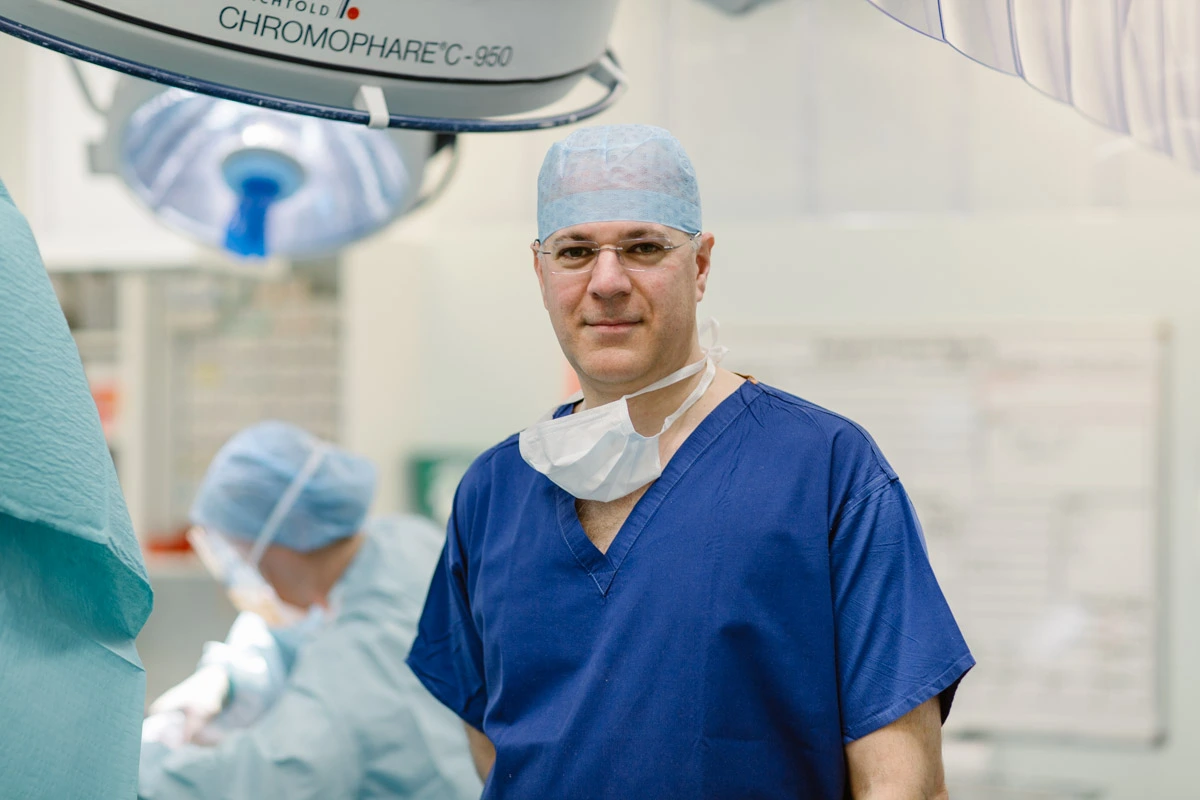
Dr. Ian McDermott
Consultant Orthopaedics, London Sports Orthopaedics, London, UK
Financial Disclosure
Comments
Comments
You must be logged in to leave a comment.