Description
This webinar will explore the Active Apex Correction technique as an innovative surgical approach for managing children with early-onset scoliosis. Experts will discuss patient selection, surgical planning, intraoperative steps, and postoperative outcomes, with a focus on preserving spinal growth while achieving effective deformity correction. Real-world case discussions will highlight clinical decision-making, complication management, and long-term follow-up considerations. The session will also compare this technique with conventional growth-friendly scoliosis treatments to understand its advantages and limitations. Designed for orthopedic surgeons, pediatricians, and spine specialists, this webinar aims to provide practical insights for improving care in pediatric early-onset scoliosis.
Summary Listen
- Early onset scoliosis (EOS) is defined as spinal deformity in children under 10 years old, encompassing various etiologies like neuromuscular, congenital, or idiopathic. The primary challenge in managing EOS surgically is correcting the deformity while preserving trunk and lung growth, avoiding fusion as it restricts lung development. Ideally, surgery should maintain correction, support growth, and minimize complications, a significant burden for both families and children.
- Traditional growing rods, while inexpensive, require frequent lengthening surgeries every six months, placing a heavy burden on the child and family. Magnetic rods (MCGR) offer a less frequent surgical intervention but are costly, requiring replacements every two years. Guided growth procedures like SHILLA can lead to crankshifting, limiting their effectiveness compared to growing rods.
- Active Apex Correction (APC) is a non-fusion technique developed in 2008 and refined since 2013. It focuses on controlling the apex of the curve through reverse modulation, applying compression, medial translation, and rotation forces on the convex side, while distracting on the concave side. The APC uses tethered screws above and below the most wedged vertebra to guide spinal growth through sliding rods.
- The principle of APC involves actively correcting the apex, rather than fighting growth, by redistributing body load and promoting physiological growth. Clinical outcomes from multiple studies, including a multi-center trial, show significant improvement in spinal length and maintained apical vertebral translation. Studies indicate a low complication rate (under 20%) and minimal unplanned surgeries.
- Research on APC shows that it does not cause fusion in most cases and leads to vertebral remodulation. Biomechanical analysis demonstrates that stress on the discs decreases over time. APC utilizes standard surgical tools, is geometry-compatible, less invasive, affordable, and can be used for various deformities, reducing the need for recurrent surgeries.
- The future of EOS treatment involves refining APC techniques, leveraging AI to personalize correction strategies, and considering the true length of the spine rather than just coronal height improvements. The goal is to minimize surgeries and promote a "once vision" approach: a single non-fusion correction to delay fusion until the child reaches skeletal maturity. Democratizing medicine through affordable and accessible EOS treatments empowers health workers, families, and promotes a dignified approach to care.
Sample Certificate
About the Speakers
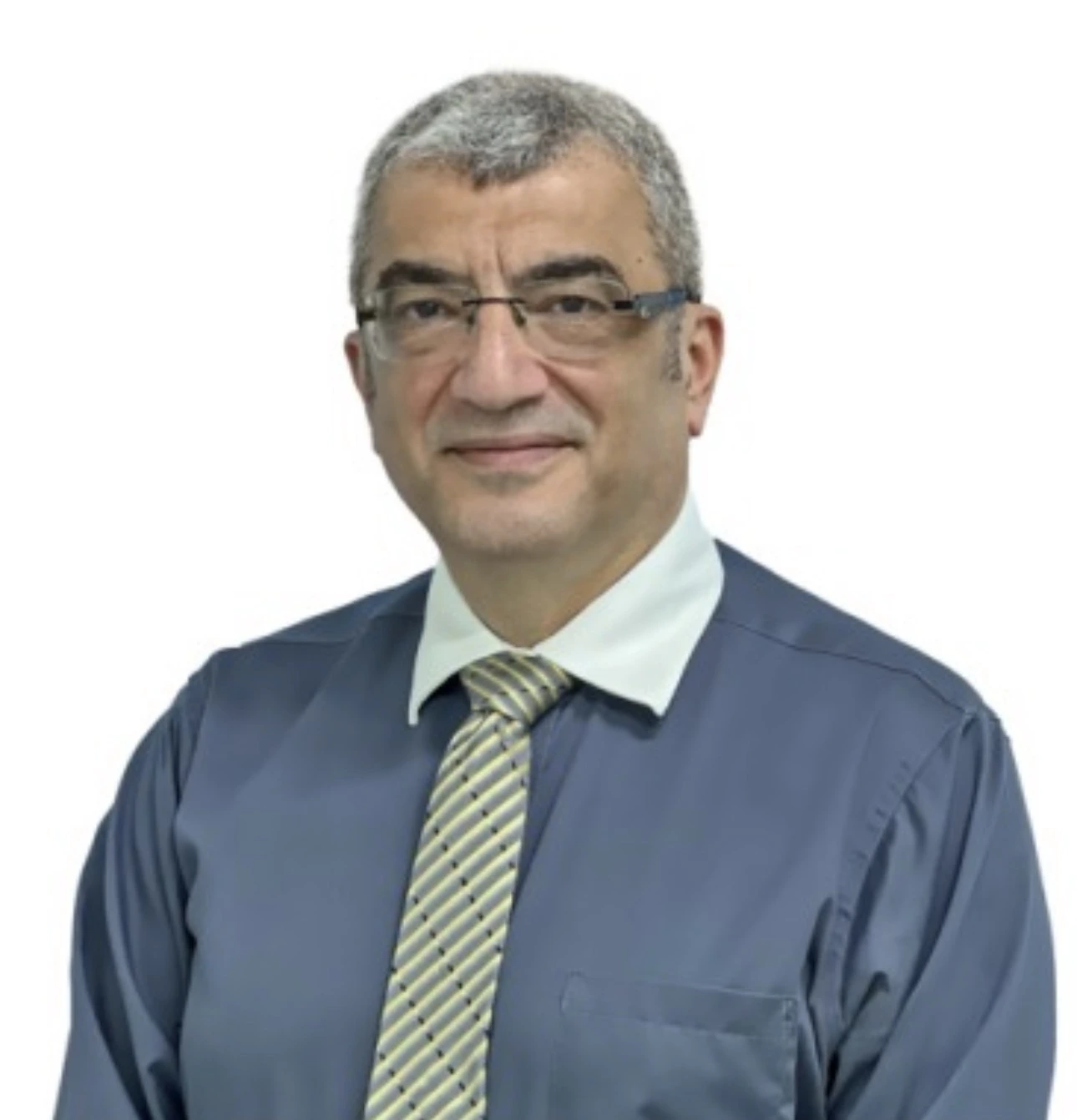
Dr. Alaa Azmi Ahmad
Pediatric Orthopedic Surgeon, Professor, Palestine Polytechnic University, Adjunct Professor, University of Toledo, Palestine
Financial Disclosure
Comments
Comments
You must be logged in to leave a comment.