Description
A case-based approach to pediatric upper GI bleeding emphasizes systematic evaluation and management tailored to the child’s presentation. Initial assessment focuses on airway, breathing, and circulation, with prompt stabilization if necessary. History should include onset, quantity, color of blood, prior illnesses, medications, and family history. Common causes include esophageal varices, gastritis, peptic ulcers, and Mallory-Weiss tears. Physical examination looks for signs of shock, hepatosplenomegaly, or stigmata of liver disease. Laboratory tests and endoscopy guide diagnosis and therapy. Case discussions help budding clinicians apply clinical reasoning, prioritize differential diagnoses, and choose appropriate interventions, ensuring safe and effective pediatric patient care.
Summary Listen
- Upper GI bleeding in children requires a structured approach, starting with age-specific causes, as etiology differs significantly from neonates to adolescents. A rapid assessment of patient stability is critical, distinguishing between hemodynamically stable and unstable individuals, indicated by parameters like blood pressure and heart rate. Risk stratification is crucial for determining the urgency and type of intervention required.
- Initial management focuses on stabilizing the patient by securing airway, breathing, and circulation (ABC). This includes administering oxygen, monitoring vital signs, and providing intravenous fluids for hypotension. Blood tests are essential for assessing hemoglobin, coagulation, and liver function. Restrictive blood transfusions are recommended, aiming for hemoglobin levels of 7-8 g/dL.
- Pharmacotherapy and endoscopic therapies play a crucial role in managing upper GI bleeds. For non-variceal bleeds, proton pump inhibitors (PPIs) are initiated, and offending medications like NSAIDs are discontinued. Suspected variceal bleeds require octreotide, antibiotics (if cirrhosis is present), and referral to a pediatric gastroenterologist.
- Endoscopy timing is guided by the nature of the bleed, with variceal bleeds requiring endoscopy within 12 hours and non-variceal bleeds within 24 hours. Endoscopic hemostasis techniques include injection therapy (epinephrine, sclerosing agents), clip application, and thermal coagulation. Variceal bleeds are managed with esophageal band ligation (EVL) or sclerotherapy.
- In refractory cases, interventional radiology procedures like embolization of the culprit artery may be necessary. Surgery is rarely required but can be life-saving. Secondary prevention strategies include H. pylori eradication, avoidance of NSAIDs, variceal banding, beta-blockers, and management of portal hypertension.
- Case-based presentations highlight age-specific etiologies and management. Neonates often present with bleeding due to vitamin K deficiency or maternal blood ingestion. Infants may have esophagitis or cow milk protein allergy. Toddlers can experience bleeding from NSAID use or foreign body ingestion. Adolescents may develop peptic ulcers or variceal bleeds.
- Specific red flags, such as tachycardia, hypotension, pallor, and ongoing hematemesis or melena, indicate severe bleeding and necessitate urgent intervention. Managing anticoagulation involves carefully considering the platelet count, INR, and clinical context. In cases of recurrent bleeding with inconclusive endoscopy, a stepwise approach including colonoscopy, capsule endoscopy, or deep enteroscopy may be necessary.
Sample Certificate

About the Speakers
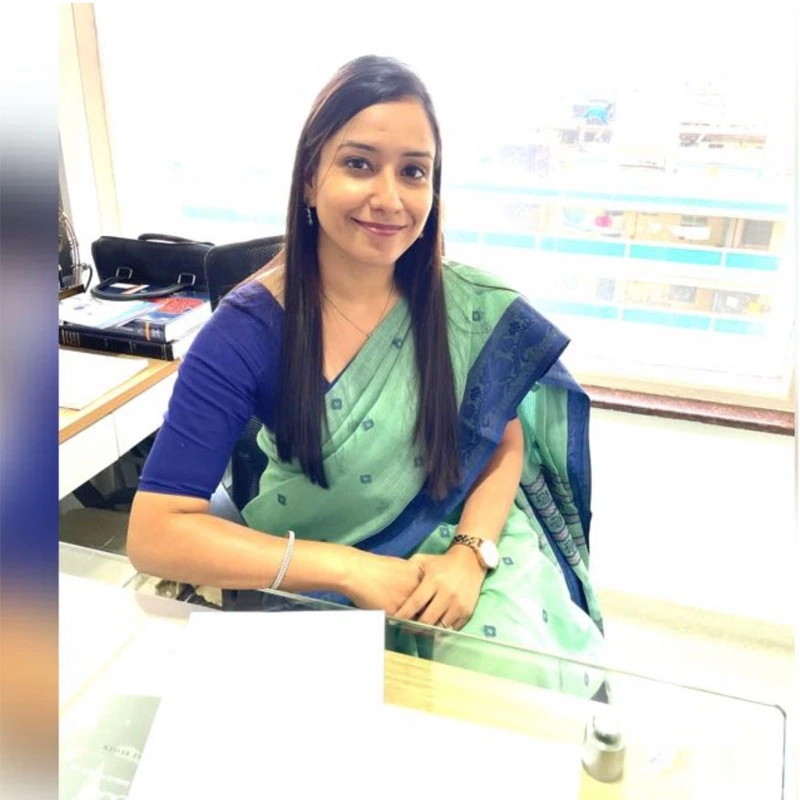
Dr. Priyanka Udawat
Consultant Pediatric Gastroenterologist, Lifestyle Medicine Physician, Sir H N Reliance Hospital, Mumbai
Comments
Comments
You must be logged in to leave a comment.