Description
Etiology and Pathophysiology of Deep Vein Thrombosis explores the underlying causes and biological mechanisms leading to clot formation in the deep veins. The session will examine key risk factors—including venous stasis, endothelial injury, and hypercoagulability—as described by Virchow’s triad. It will also discuss how inflammation, blood flow alteration, and coagulation cascade activation contribute to thrombus development. Participants will gain a clear understanding of clot propagation, potential complications such as pulmonary embolism, and the importance of early detection and prevention strategies.
Summary Listen
- Deep vein thrombosis (DVT) and pulmonary embolism (PE) represent a significant public health concern, affecting approximately 1 in 1000 individuals and ranking as the third leading cause of cardiovascular death. These conditions impose a substantial economic burden due to both acute and chronic health issues. Timely diagnosis and management are crucial to mitigate these burdens.
- The Virchow triad, comprising venous stasis, endothelial injury, and hypercoagulability, forms the cornerstone of understanding DVT risk factors. Venous stasis, often caused by immobility, surgery, or chronic heart failure, promotes thrombus formation behind venous valves. Endothelial injury, resulting from trauma, surgery, or intravenous devices, triggers the coagulation cascade. Hypercoagulability, stemming from genetic mutations (e.g., Factor V Leiden) or conditions like malignancy and antiphospholipid syndrome, increases the likelihood of thrombus formation.
- Following thrombus formation, the body initiates both lysis and reorganization processes. Lysis attempts to dissolve the clot, while reorganization aims to stabilize it. The balance between these mechanisms determines whether the vein recanalizes or develops fibrotic tissue. Proximal DVT, involving iliac and caval veins, poses a greater risk of post-thrombotic syndrome due to extensive venous hypertension compared to distal DVT.
- Clinical presentation of DVT can vary, including pain, swelling, and skin changes. Pulmonary embolism, a potentially fatal complication, occurs when a thrombus dislodges and travels to the pulmonary arteries, leading to dyspnea, chest pain, and hemodynamic instability. Diagnosis involves laboratory tests (D-dimer), ultrasound, and imaging techniques like CT venography. Post-thrombotic syndrome, a long-term consequence, manifests as venous hypertension, skin changes, and ulceration.
- Management strategies aim to prevent and treat DVT. Non-pharmacological approaches include leg elevation, compression stockings (passive and active), and intermittent pneumatic compression. Pharmacological prophylaxis involves anticoagulants like heparin derivatives and direct oral anticoagulants. The duration of prophylaxis varies based on individual risk factors and clinical circumstances.
- Special populations, such as those with renal impairment, obesity, malignancy, and pregnancy, require careful consideration when initiating anticoagulation. Balancing the risk of DVT with the risk of bleeding complications is crucial. Patient education is essential for early recognition of DVT symptoms and prompt medical attention.
Sample Certificate

About the Speakers
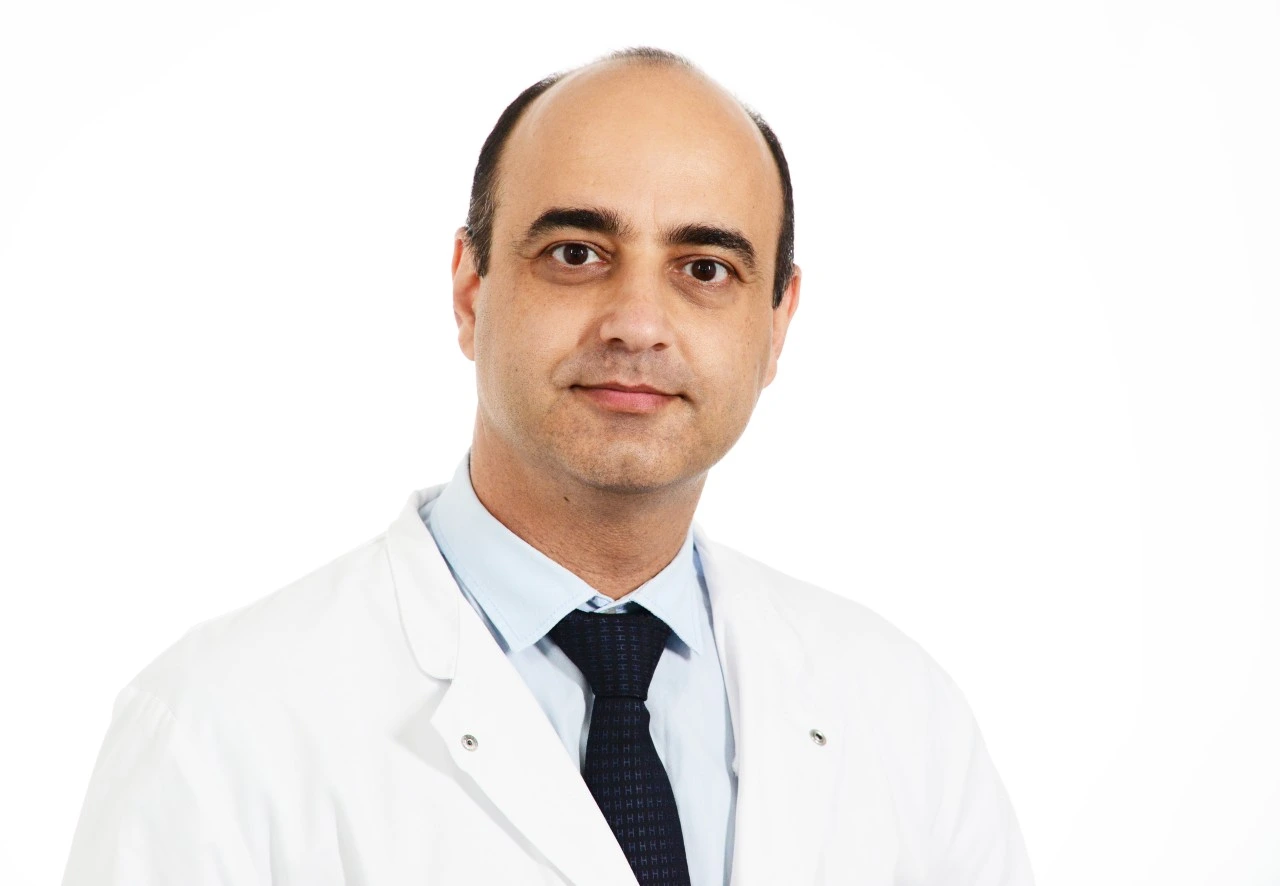
Dr. Mohammad E. Barbati
Director of Venous Surgery and Phlebology, Consultant Vascular and Endovascular Surgeon, University Hospital Munich (LMU), Germany
Financial Disclosure
Comments
Comments
You must be logged in to leave a comment.