Description
Learning Beyond the Scalpel: The Future of Cardiac Surgical Training explores how modern technology and innovative learning models are transforming the way cardiac surgeons are trained. With the integration of simulation-based learning, AI-driven analytics, and virtual reality-assisted surgical practice, trainees can now refine complex skills in a risk-free environment. The focus is shifting from traditional apprenticeship to competency-based mastery, emphasizing decision-making and precision. This evolution promises safer surgeries, better outcomes, and a new generation of highly skilled cardiac surgeons ready for the future of medicine.
Summary Listen
- Dr. Timur Kasi, a 31-year-old cardiothoracic surgery resident from Bulgaria, shares his journey into cardiac surgery, inspired by his grandmother's bypass operation. He emphasizes the importance of being fascinated by the field and studying its pioneers to understand their passionate and innovative mindsets.
- Dr. Kasi envisions future cardiac surgery training centered around teamwork rather than individualistic learning. He advocates for residents to learn from a diverse ecosystem of professionals, including consultants, specialists, perfusionists, ICU physicians, anesthesiologists, nurses, engineers, and data scientists.
- He stresses the need for a dedicated practice room in every department, equipped with various models and tools, to enable constant and essential skill development. This practice should be treated as vital as oxygen, becoming a routine part of daily life for residents.
- Dr. Kasi emphasizes the importance of continuous practice, even outside formal training settings, using simulators and instruments to refine motor skills. He values discipline over motivation, advocating for consistent effort and tracking progress.
- He calls for transparent and fair progression in surgical training, where opportunities are based on demonstrated skill and effort, rather than favoritism or politics. This approach protects patients and inspires trainees to excel through merit.
- He emphasizes that training programs should focus not only on procedures but also on judgment and decision-making skills. More experienced surgeons should gradually bring in younger surgeons on more complex cases.
- AI and Machine Learning have the potential to aid surgeons in preoperative care. Dr. Kasi and his team in Vienna are working on designing virtual valves and heart models using AI for better morphological assessment, which helps with the real procedure itself.
- If Dr. Kasi could change one thing about cardiac surgery training, he would implement training rooms in every department, prioritize daily simulation, and promote team-based learning. He also considers scientific immersion, transparent progression, and cross-faculty collaboration as essential.
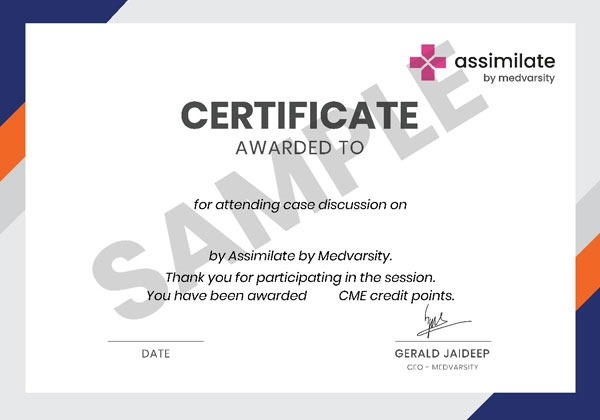
Sample Certificate
About the Speakers

Dr. Timur Kyashif
Cardiac Surgery Resident and Enthusiast, Universitätsklinikum Jena, Germany
Financial Disclosure
Comments
Comments
You must be logged in to leave a comment.