Description
"Thyroid Disorders & Scope of Specialty Practice in Ayurveda" is a focused webinar exploring the Ayurvedic understanding and management of thyroid dysfunctions such as hypothyroidism, hyperthyroidism, and autoimmune thyroiditis. The session will delve into Ayurvedic concepts like Dosha imbalance, Agni, and Srotas involved in thyroid pathology, while highlighting classical formulations, diet, lifestyle, and Panchakarma therapies. It will also discuss the growing scope for Ayurveda practitioners to establish specialty-based thyroid care through integrative and evidence-based approaches. This webinar aims to equip practitioners with deeper clinical insights and practical tools for managing thyroid disorders effectively.
Summary Listen
- Ayurveda is an emerging science gaining global recognition for natural treatments and cures. Despite the system's proven efficacy, many practitioners lack specialized skills, leading to a "jack of all trades, master of none" scenario. The public increasingly seeks specialists in various fields, including Ayurveda, highlighting the need for specialized practice.
- The thyroid, a small gland in the neck, controls numerous bodily functions. Thyroid disorders are broadly categorized into hypothyroidism (underactive thyroid) and hyperthyroidism (overactive thyroid). Anatomical deformities like nodular thyroiditis or goiter can also occur. Hypothyroidism has several types, including primary (thyroid gland itself is disturbed), secondary (pituitary originated), tertiary (related with thyroid releasing hormone), subclinical, and congenital.
- Thyroid antibodies, especially anti-thyroid antibodies, are increasingly prevalent. The body produces antibodies to fight infections, but sometimes it mistakenly targets its own tissues. While the exact role of thyroid antibodies (TPO, TG, TSI) isn't fully understood, their presence complicates thyroid disorders and provides scope for Ayurvedic treatment.
- Complications of thyroid disorders range from depression and anxiety to heart problems, infertility, and digestive issues. Diagnosis involves physical examination, hormonal assays (T3, T4, TSH), antibody tests, and imaging (ultrasound, CT, MRI) if necessary. Fine needle aspiration cytology (FNSE) and radioactive iodine uptake tests can further aid in diagnosis.
- Environmental toxins, lack of sunlight and Vitamin D3, cosmetics, medications, sleep deprivation, electromagnetic fields, high stress, poor breathing habits, liver and kidney dysfunction, and leaky gut contribute to thyroid disorders. Current treatments for hypothyroidism include hormone replacement therapy (HRT) with levothyroxine (T4), while hyperthyroidism is treated with anti-thyroid drugs (methimazole), radioactive iodine, or thyroidectomy.
- The global prevalence of thyroid disorders is approximately 1.2%, with an estimated 42 million affected individuals in India. Women are more prone to thyroid issues due to Christos inheritance. If one or both parents have thyroid disorders, there is high chances the child will develop it. In India, the problem is exacerbated by malpractice due to doctors lacking specialized knowledge of the thyroid.
- Thyroid should be considered a syndrome rather than a disease due to the many complications that are associated to it, such as heart disease, infertility, diabetes, obesity and autoimmune disorders. Therefore, specialty practice is needed as the demand is focused and specialized care is necessary. General Ayurvedic clinics may lack the specific expertise and standardized methodologies for consistency and advance research, bettering the patient outcomes.
- Ayurveda offers unique advantages in treating thyroid disorders due to its holistic approach. While conventional treatment often normalizes lab reports without addressing underlying complaints, Ayurveda aims for systemic improvement. Unlike allopathic medicines, which can have side effects, Ayurvedic treatments are generally safe and friendly to the body with no first pass effect of liver. Ayurveda offers customized therapies for each patient.
- The market for thyroid medication is substantial, reflecting the prevalence of the condition. Ayurveda has the potential to provide more comprehensive and personalized care for thyroid patients, improving their overall well-being. Increasing numbers of cases of thyroid patients are there and specific practices, especially in Ayurveda, are needed to solve the problems.
Sample Certificate
About the Speakers
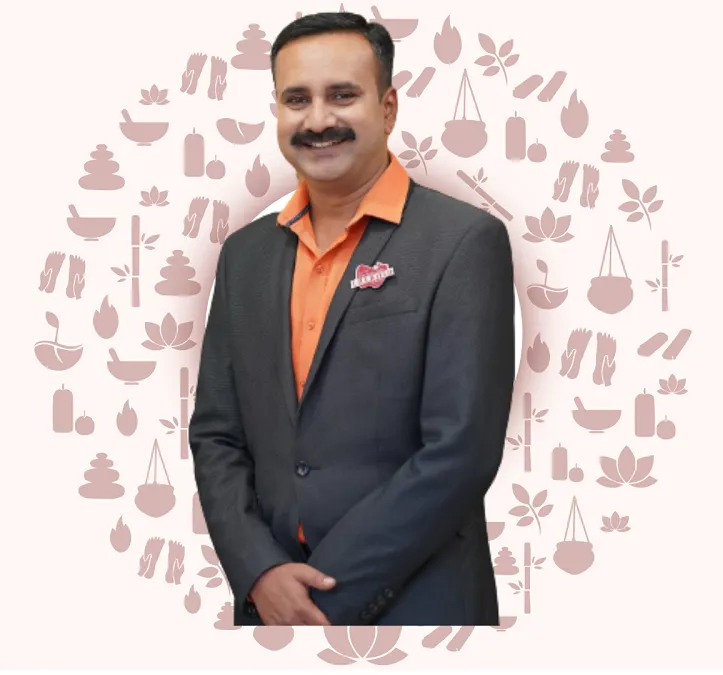
Dr. Vikrant Patil
President, National Ayurveda Students and Youth Association, Delhi
Comments
Comments
You must be logged in to leave a comment.