Description
About the Case Discussion Topic: This session explores structured approaches and strategies that healthcare professionals can use to transition into successful non-clinical careers. It covers key frameworks for identifying transferable skills, evaluating alternative career paths, and building a professional brand beyond clinical practice. Attendees will gain insights into industries such as healthcare consulting, medical writing, health tech, and pharma, where their medical expertise is highly valued. The session aims to equip participants with actionable tools to navigate this shift with clarity and confidence.
Summary Listen
- The speaker, a clinician with experience in emergency medicine, transitioned to management consulting and now coaches clinicians to become founders. They emphasized the importance of introspection and clarity when considering a non-clinical career, suggesting individuals evaluate whether they are running away from something or running toward something specific. This involves understanding personal strengths, weaknesses, and aspirations beyond just clinical skills.
- The speaker highlighted various transferable skills from medicine, including strategic thinking, negotiation, project management, branding, and stakeholder engagement. They discussed industries that currently show demand for professionals with medical backgrounds, such as management consulting, pharma, digital content creation, and entrepreneurship. The speaker suggested that a medical background provides credibility, research skills, and the ability to communicate effectively with patients.
- An MBA might be beneficial for certain non-clinical careers, especially in certain geographies, but networking and demonstrating problem-solving abilities are crucial. The speaker shared a framework called the "Zone of Impact," which considers equity, influence, and alignment with purpose as key elements for career fulfillment. A lack of any of these elements can lead to unhappiness or career hopping.
- Common mistakes during career transitions include a lack of purpose, thinking like an applicant instead of a problem solver, and struggling with the art of selling oneself in a non-clinical context. Networking is essential, and LinkedIn offers vast opportunities for connecting with like-minded professionals. A strong personal brand helps establish context and attract opportunities based on shared values.
- Mindset shifts are critical for a successful transition, including moving from certainty to curiosity, focusing on impact rather than identity, and prioritizing results over strict adherence to rules. These changes enable clinicians to explore new possibilities and make a meaningful difference beyond the confines of traditional medicine. The speaker also cautioned that for IMGs, it is not easy to get non-clinical jobs in the UK, but it is still possible.
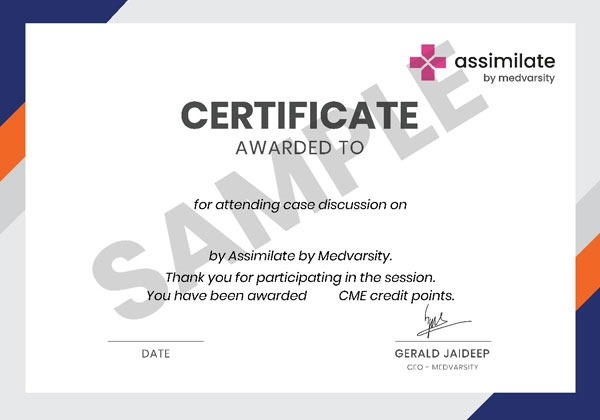
Sample Certificate
About the Speakers

Dr. Shubhendu Kulshreshtha
Clinician Coach, Monitree, United Kingdom
Comments
Comments
You must be logged in to leave a comment.