Description
Ayurvedic Insights into Bladder Dysfunction and Outlet Obstruction delves into the traditional understanding and holistic management of urinary disorders through the lens of Ayurveda. This session will explore the Ayurvedic perspective on the causes (Nidana), pathophysiology (Samprapti), and classification of bladder dysfunction and obstructive uropathies. Emphasis will be placed on herbal formulations, Panchakarma therapies, and dietary and lifestyle modifications tailored to address these conditions. The webinar aims to bridge classical Ayurvedic principles with modern urological concerns, offering integrative approaches for effective and sustainable management.
Summary Listen
- Dr. Vikanand, an academic and practitioner with 20 years of experience, observed that many doctors struggle to apply their knowledge effectively. This led him to create an academy to help doctors finalize their niche, plan their business, and enhance their entrepreneurial skills to become brand ambassadors of Ayurveda. He aims to help them achieve a work-life balance and create value for clients.
- The session focuses on bladder dysfunction and outlet obstruction from an Ayurvedic perspective, specifically addressing Mutraghata. Dr. Vikanand detailed how he successfully treated a patient with urine retention using Ayurvedic methods, sparking his deeper exploration into this field. He differentiates between Motrakrichra (painful urination) and Motraghata (obstruction) and outlined the core pathophysiologies: Sangha, Atipravritti, Umarmagamana, and Siragranthi.
- He compared various Mutraghata conditions with modern diagnoses. For example, Udakundalika can be correlated with diverticulum and vesico-ureteric reflux. Vataashtila goes beyond BPH to include other growths, while Vatapaasthti is associated with chronic urinary retention and vesico-ureteric reflux. Mutrakshata is the retrograde ejaculation, and mootra-visada with inflammatory conditions.
- Dr. Vikanand advocates for using modern diagnostic tools in conjunction with Ayurvedic principles. He emphasized the importance of Basti (enema) as a primary treatment method, particularly Guzabasti. He shared case studies where Basti treatments significantly improved patients' conditions, demonstrating the potential of Ayurvedic interventions in urological practice.
- He decoded the reasons for residual volume related to sanga, umaramagamana, atipravruthi, or siragranthi with watanoanulomana. Basti works, he substantiated, because of embryological relations of bladder, kidney, and the rectum. Finally, contact information for Dr. Vikanand and his Ayurveda academy was provided for further engagement and queries.
Sample Certificate
About the Speakers
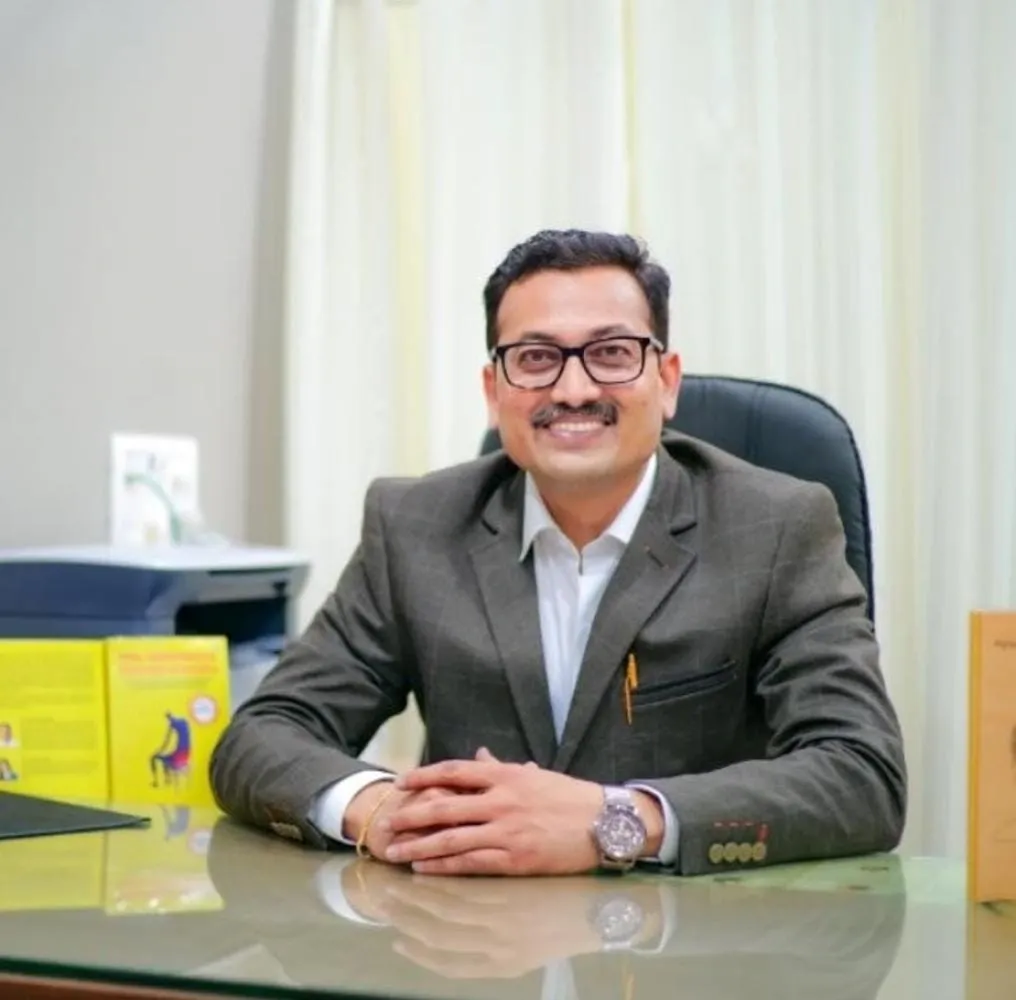
Dr. Vivekanand Mohan Kullolli
Founder of Ayurpreneur Academy, Rajkot, Gujarat
Comments
Comments
You must be logged in to leave a comment.