Description
The webinar on “Adult Immunization - Need for Today” will highlight the critical role of vaccines in preventing illness and promoting long-term health in adults. With a focus on diseases such as influenza, pneumonia, shingles, and COVID-19, the session will emphasize the importance of keeping vaccinations up to date, especially for vulnerable populations. Experts will discuss current immunization guidelines, emerging vaccines, and the barriers to adult vaccination, such as misinformation and access issues. Attendees will gain insights into how immunization can improve quality of life and prevent complications in adulthood, ultimately supporting healthier communities.
Summary Listen
- Adult immunization is a crucial, often overlooked area of healthcare, vital for doctors across all specialties. It's not just about preventing infections; it's about boosting immunity and potentially preventing cancer. The WHO's Immunization Agenda 2030 aims to save over 50 million lives by addressing immunization challenges, recognizing the significant economic and clinical burden vaccine-preventable diseases (VPDs) place on individuals, families, and healthcare systems.
- Age-related immunosenescence and chronic illnesses increase susceptibility to infection in adults, rendering childhood vaccinations less effective over time. The emergence and re-emergence of diseases necessitate adult vaccinations to protect against changing disease epidemiology. Adult immunization principles involve assessing individual risks based on age, health conditions, and vaccination history to determine appropriate vaccines.
- Recommended adult vaccines include annual influenza, pneumococcal (PCV20 offers lifetime protection), Tdap (tetanus, diphtheria, pertussis) every 10 years, hepatitis B for high-risk individuals, MMR (measles, mumps, rubella) and varicella for non-immune adults, herpes zoster (shingles) to prevent pain, and HPV (human papillomavirus) up to age 45 to prevent cancer. Special populations, like diabetics, those with chronic kidney disease (CKD), or COPD, and immunocompromised individuals, require specific vaccine considerations. Pregnant women should receive Tdap, influenza, and potentially RSV vaccines.
- Key barriers to adult vaccination include low awareness, the perception that vaccination is only for children, cost concerns, a lack of reminders, and variable doctor recommendations. Solutions involve integrating vaccine status checks into healthcare workflows, educating patients about disease burden and vaccine benefits, prioritizing vaccines for high-risk individuals, and encouraging healthcare workers to model vaccination.
- Adult immunization reduces morbidity, mortality, ICU admissions, and healthcare costs. Physicians play a crucial role in improving vaccine uptake through proactive counseling and routine screening. Framing adult immunization as a societal duty encourages proactive preventative care, aligning with a collective responsibility for excellence in preventing care.
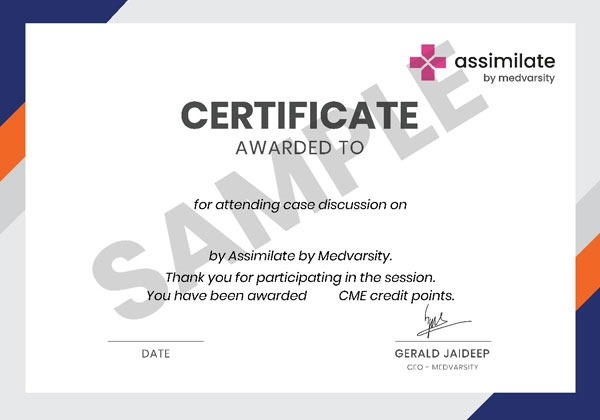
Sample Certificate
About the Speakers

Dr. Ruchita Sharma
Associate Director & Consultant Medicine, Medanta, Lucknow
Comments
Comments
You must be logged in to leave a comment.