Description
Patient safety is the cornerstone of quality healthcare and must be prioritized from the very beginning of a medical career. This practical guide equips budding doctors with essential strategies to minimize errors and prevent harm to patients. It emphasizes the importance of effective communication, adherence to protocols, and vigilant monitoring. Learning to identify potential risks early and fostering a culture of transparency are key to improving outcomes. By embracing these principles, young doctors can build trust and deliver safer, more compassionate care.
Summary Listen
- Patient safety is a crucial element of quality healthcare, both in the United States and globally. The speaker highlighted the shocking statistic that the number of preventable deaths in hospitals each year is equivalent to 26 airplane crashes daily, emphasizing the urgent need for improvement in healthcare delivery.
- The speaker proposed focusing on four areas: core principles of patient safety, common medical errors and avoidance strategies, the importance of communication and teamwork, and developing a patient safety mindset among physicians. These areas aim to guide physicians in improving patient safety within their individual practices and within healthcare systems.
- A robust safety culture with best practices, clinical standardization, and clear communication are all essential for improving patient safety. Additionally, a culture of psychological safety allows healthcare professionals to report errors and near misses without fear of retribution, encouraging learning and improvement within the system.
- Common medical errors such as medication errors, diagnostic errors, surgical errors, hospital-acquired infections, patient falls, and communication failures can be mitigated through various strategies. These include double-checking medications, using two-factor authentication, and implementing timeouts before surgery to improve medication safety and prevent surgical errors.
- Addressing cognitive biases such as anchoring bias, confirmation bias, and overconfidence bias is essential for improving patient safety. Teamwork and clear communication, facilitated by tools like SBAR, can help to create a safer environment for patients and healthcare providers.
- Developing a patient safety mindset involves moving from a reactive to a proactive approach through principles of high-reliability organizations (HRO). These principles include preoccupation with failure, reluctance to simplify, sensitivity to operations, commitment to resilience, and deference to expertise.
- Simulation-based training, understanding human factors, using structured communication tools, and involving patients and families are also crucial for fostering a patient safety mindset. Encouraging error reporting and learning from root cause analyses in morbidity and mortality conferences contribute to creating a safer healthcare environment. Ultimately, rest, wellness, and self-care are crucial for physicians to avoid burnout and maintain the focus required for ensuring patient safety.
Sample Certificate

About the Speakers
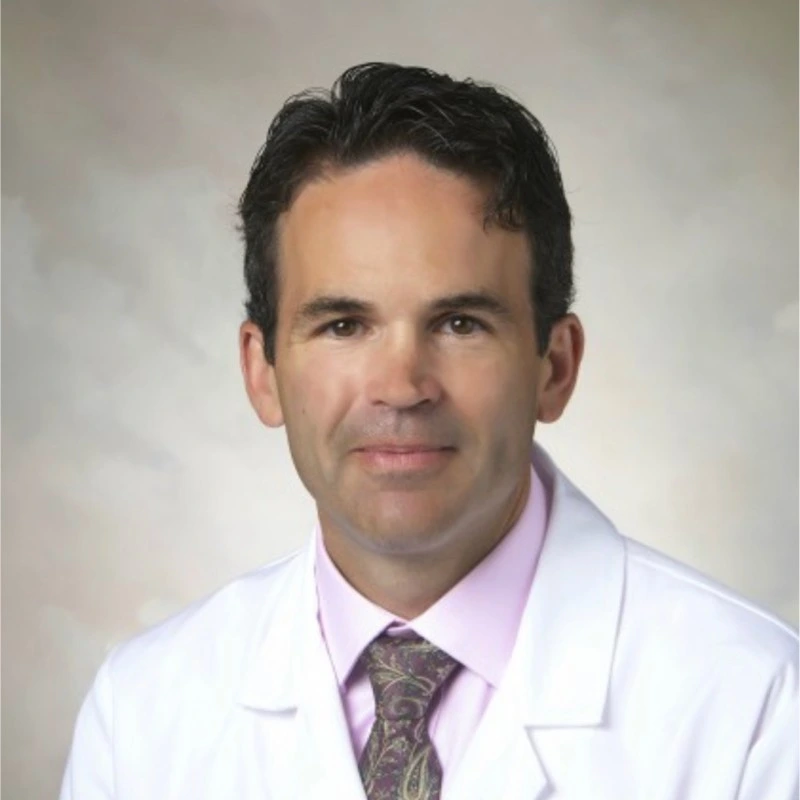
Dr. Paul Entler
Chief Quality and Patient Safety Officer, Memorial Healthcare System, Florida, United States
Comments
Comments
You must be logged in to leave a comment.