Description
Early cancer detection can save lives, yet many warning signs are often overlooked or misattributed to benign conditions. This session highlights critical red flags across common cancers that clinicians should never miss in everyday practice. Through real-world clinical insights, it reinforces the importance of timely suspicion, referral, and screening. On World Cancer Day, we emphasize vigilance as the first step toward better outcomes.
Summary Listen
- The primary goal of World Cancer Day is to raise awareness about early cancer detection, which significantly improves survival rates. Timely identification of red flags and prompt referrals by general practitioners (GPs) and specialists can alter the trajectory of a patient's outcome, leading to early-stage treatment and cure. Any persistent, unexplained symptom or one that doesn't resolve with standard treatment should raise suspicion.
- General cancer warning signs include unintentional weight loss, persistent fatigue, unexplained pain, and fever. Red flags for head and neck cancers include non-healing oral ulcers, persistent hoarseness, and palpable neck nodes. Breast cancer symptoms involve lumps, skin changes like dimpling or peau d'orange, nipple discharge, and palpable armpit lymph nodes.
- Lung cancer symptoms include chronic cough, hemoptysis, and recurrent pneumonia in the same segment. Gastrointestinal cancer red flags include changes in bowel habits, blood in the stool, and progressive dysphagia. Gynecological cancer warning signs include post-menopausal bleeding, persistent pelvic pain, and abnormal vaginal discharge.
- Genitourinary and prostate cancer symptoms include hematuria, lower urinary symptoms, and persistent back or pelvic pain. Clinicians should assess the risk profile of the patient, considering age, smoking history, and family history. Common clinical pitfalls include repeated symptomatic treatment without investigating the underlying cause and delaying imaging or biopsy.
- Clinicians should always maintain a high index of suspicion, document red flags, escalate findings if there's no improvement, and refer patients promptly, ideally within two weeks. Early specialist referral saves lives and improves outcomes. Clinicians must remember that their vigilance and timely action can make the difference between early curable cancer and advanced disease.
Sample Certificate

About the Speakers
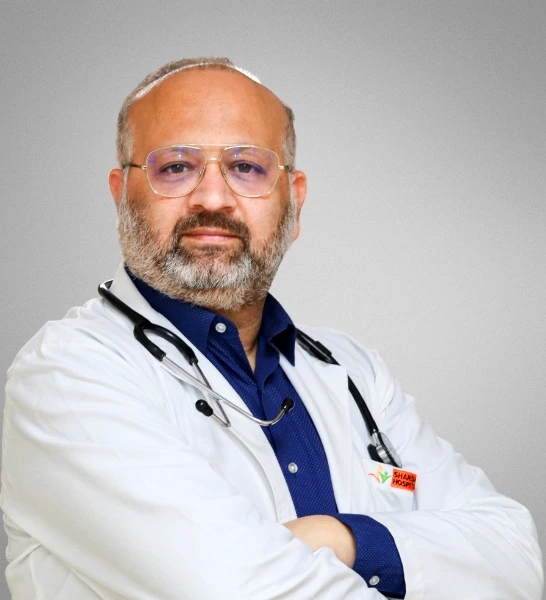
Dr. Anil Thakwani
Head and Senior Consultant Radiation Oncologist at Sharda Care Hospital, Noida
Financial Disclosure
Comments
Comments
You must be logged in to leave a comment.