Description
Congenital hypothyroidism is one of the most preventable causes of intellectual disability and growth failure in children. Early screening at birth plays a crucial role in detecting thyroid dysfunction before clinical symptoms appear. Prompt diagnosis and timely initiation of thyroxine therapy can ensure normal growth and neurodevelopment. This session highlights the importance of newborn screening programs, diagnostic challenges, and the long-term impact of early intervention on quality of life.
Summary Listen
- Congenital hypothyroidism is more prevalent in India than in Western countries, with some Indian studies reporting rates as high as 1 in 735. The condition carries a significant economic burden due to intellectual disability and loss of productivity if not addressed promptly. Early detection and intervention are critical for optimal outcomes, highlighting the importance of timely screening and treatment.
- The hypothalamic-pituitary-thyroid axis regulates thyroid hormone production, with TSH stimulating T4 production. In primary hypothyroidism, TSH levels rise first, followed by a decrease in free T4. Central hypothyroidism, on the other hand, involves low T4 levels with normal or low TSH. Fetal thyroid hormone production is minimal, relying heavily on maternal supply.
- Thyroid dysgenesis, encompassing ectopic thyroid and thyroid agenesis, is a common cause of congenital hypothyroidism. Thyroid hormone synthesis involves iodine uptake, organification, and binding to tyrosine. Excess iodine can inhibit thyroid hormone production, leading to transient hypothyroidism. Premature infants often exhibit lower thyroid hormone levels due to immature thyroid production mechanisms.
- Transient hypothyroidism can occur due to maternal TSH receptor blocking antibodies or iodine exposure. Primary congenital hypothyroidism is often caused by thyroid dysgenesis or dyshormonogenesis. Prematurity can lead to transient hypothyroxinemia, often not requiring treatment. Hemigenesis, involving only one half of the thyroid gland, usually presents with milder thyroid defects.
- Newborn screening is vital for early detection, especially since many infants show no symptoms. TSH levels are interpreted based on age-specific cutoffs, with higher levels requiring immediate treatment. Premature infants and twins necessitate repeat screening. Family history, medications, and associated malformations are important considerations.
- Thyroid scans and ultrasounds aid in diagnosis, differentiating between agenesis, ectopic thyroid, and dyshormonogenesis. Genetic testing is not routinely required. Treatment involves thyroxine, with dosage adjusted based on free T4 levels and individualized to the patient. Soy-based formulas should be avoided due to interference with thyroid hormone absorption.
Sample Certificate

About the Speakers
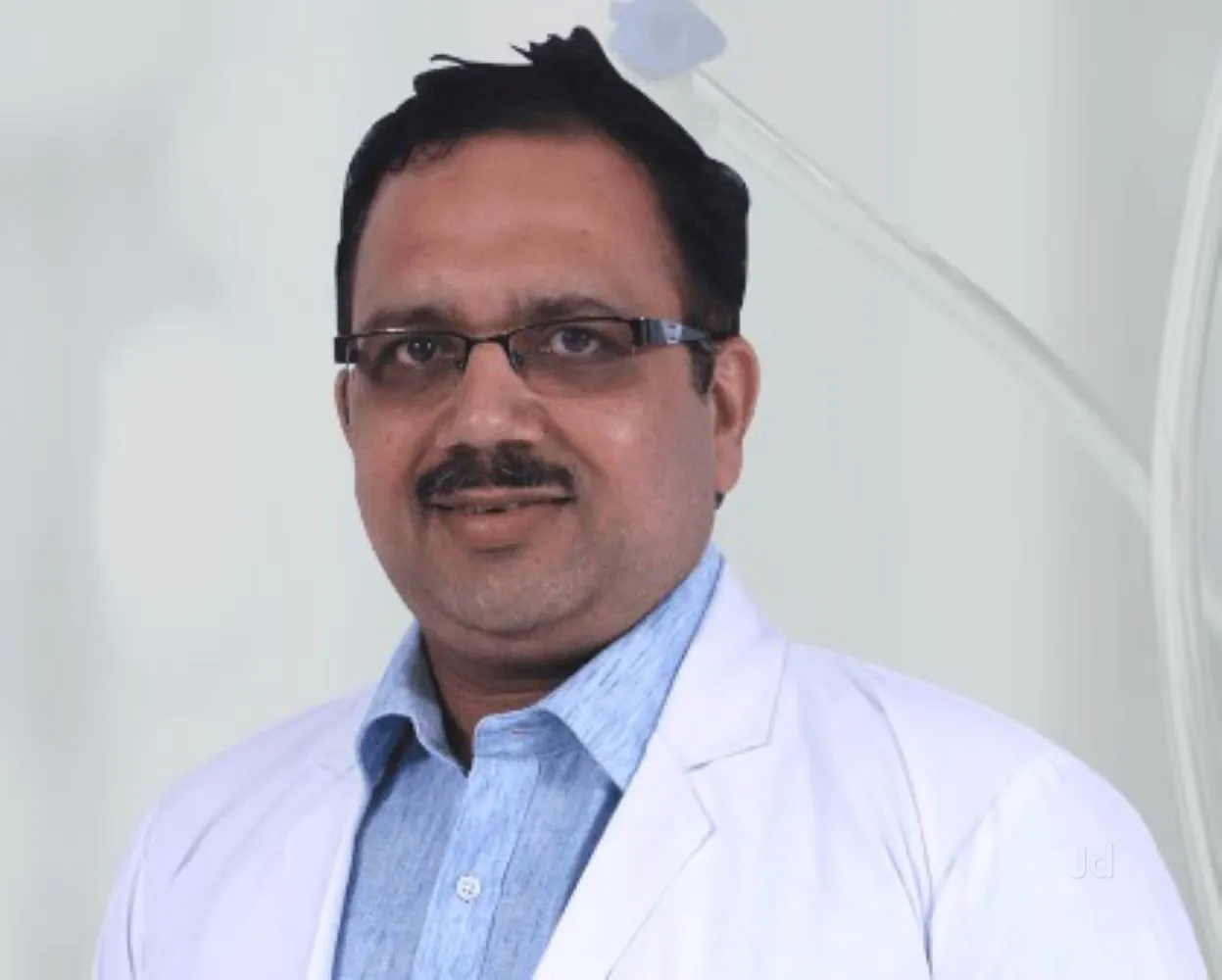
Dr. Anurag Bajpai
Associate Director, Endocrinology, Regency Health, Uttar Pradesh
Financial Disclosure
Comments
Comments
You must be logged in to leave a comment.